8 Brilliant Ways to Use Your New London Basement
From home offices to cinema rooms, here are the eight most popular and practical uses for a new basement in a London home — and what each one costs.
8 Brilliant Ways to Use Your New London Basement
You have invested in a basement conversion or new basement construction. Now comes the exciting part — deciding what to do with the space. London basements are some of the most versatile rooms in any home, and the right use can transform how you live.
Here are eight of the most popular and practical uses for a new London basement.
1. Additional Bedroom and Bathroom
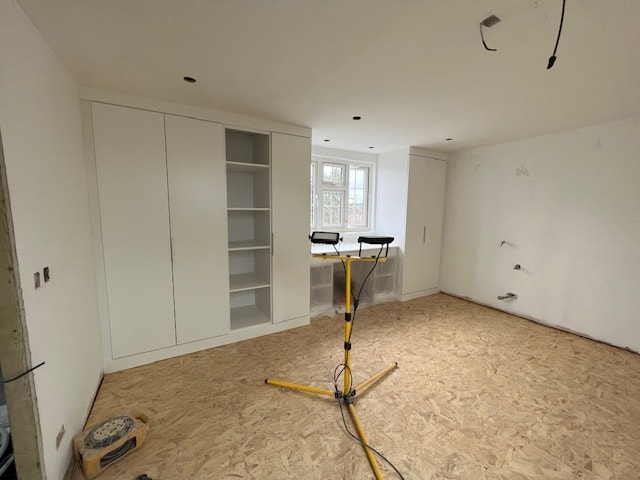
In London, where space is at a premium and property prices are high, an extra bedroom is one of the most valuable things you can add to a home. A basement bedroom with an en-suite bathroom is particularly popular for guest accommodation, a teenager's suite or a live-in au pair.
For a basement bedroom to be habitable, it needs adequate natural light (typically via a lightwell), ventilation, and a means of escape in case of fire. Your architect will design these in from the start.
2. Home Office
The shift to remote and hybrid working has made the home office one of the most sought-after features in London property. A basement home office offers something that a spare bedroom converted to an office cannot — genuine separation from the rest of the house.
A well-designed basement office with good lighting, proper ventilation and fast broadband is a genuinely productive workspace. It also adds real value to your property, as buyers increasingly prioritise dedicated home working space.
3. Cinema Room or Media Room
A basement is the ideal location for a home cinema. The below-ground location provides natural sound insulation, meaning you can watch films at proper volume without disturbing the rest of the household. The absence of natural light is actually an advantage — you control the lighting entirely.
A well-specified basement cinema room with acoustic treatment, a large screen or projector, and comfortable seating is one of the most enjoyable additions you can make to a London home.
4. Gym or Fitness Studio
A private gym in your own home eliminates the commute to a public gym, the membership fees and the waiting for equipment. A basement gym can be as simple as a rubber-floored room with free weights, or as sophisticated as a fully equipped studio with mirrors, specialist flooring and ventilation designed for exercise.
Basement gyms are particularly popular in London where outdoor space is limited and the weather makes outdoor exercise unreliable for much of the year.
5. Playroom
A dedicated playroom in the basement keeps toys, noise and mess contained in one part of the house. Children love having their own space, and parents love having the rest of the house back.
A basement playroom can evolve as children grow — from a soft-play area for toddlers to a games room for teenagers. The investment in the space pays dividends for years.
6. Kitchen Extension and Open-Plan Living
Some London homeowners use a basement to create a dramatic open-plan kitchen and dining space, connected to the garden by a lightwell or external staircase. This is particularly effective in properties where the ground floor is constrained by the original Victorian layout.
A basement kitchen-diner can be one of the most spectacular rooms in a London home, combining generous ceiling height, bespoke design and a connection to the outside that feels surprising and luxurious.
7. Utility and Storage
Not every basement needs to be a showpiece room. A well-organised basement utility room — with washing machine, tumble dryer, boiler, hot water cylinder and storage — frees up valuable space on the upper floors and keeps noisy appliances out of the main living areas.
This is often the most practical use for a smaller basement or a secondary basement space alongside a main habitable room.
8. Wine Cellar
A basement is the natural home for a wine collection. The below-ground location provides naturally stable temperatures and humidity levels that are ideal for wine storage. A properly designed basement wine cellar — with racking, controlled temperature and humidity, and good security — is both a practical storage solution and a striking feature.
Planning Your Basement Use
The best time to decide how you will use your basement is before construction begins, not after. The use determines the specification — ceiling height, natural light requirements, ventilation, acoustic treatment, electrical loading and drainage all depend on what the room will be used for.
Contact our team early in the process and we will help you design a basement that works perfectly for your intended use. Call 07405 046475 or 020 8087 4829.
Explore Topics
Written by
Making Space Below Ground
Content creator and writer sharing insights and stories.